Innovation Needs People: Four Human-Centric Lessons from the PIC Hackathon
10 October 2025At PhotonDelta, we often discuss the transformative potential of photonic chips in communications, computing, and sensing. Also in the domain of medical diagnostics, that potential is nothing short of extraordinary. The article “Photonics Power for Medical Diagnostics” captures how photonic chips combined with biosensors can drive point-of-care diagnostics, enable continuous biomarker monitoring, and bring lab-level insights into handheld or wearable devices.
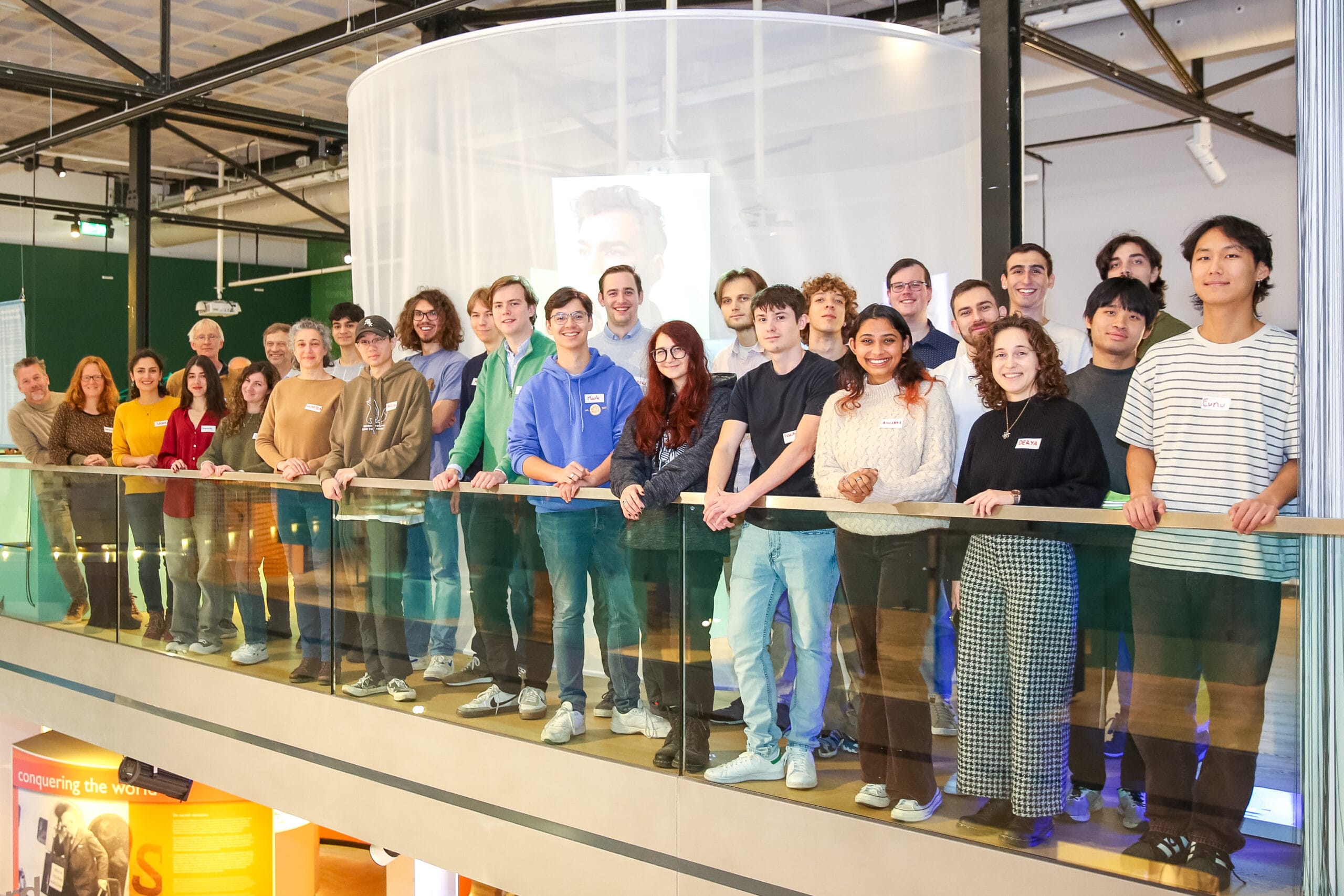
Being one of the initiators of the PhotonDelta International PIC Hackathon, I see several human-centric lessons in using a hackathon approach for your organisation.
Hackathon reflections through the talent lens
Having shaped and observed the ground-up culture that powers our hackathons, here’s what I believe are critical enablers if PhotonDelta and photonics-enabled healthcare are to reach their full promise:
- Talent convergence is the core enabler
Integrated Photonics alone isn’t enough. To build useful diagnostics, you need clinicians, life scientists, materials engineers, algorithm designers, regulatory experts, UX specialists and more. The magic happens when these disciplines cross-fertilise. In our hackathons, but also our broader talent attraction approach for PhotonJobs, we intentionally attract a broad range of profiles from the start.
- Safe space + speed + feedback loops
In a hackathon, you need pace. But you also need psychological safety so that people can experiment, fail fast, and shift course. Cultural differences impact psychological safety. Our students from the Dutch universities tended to take the lead in brainstorms, but learned during the hackathon that silence is worth so much in collaboration with Japanese students. It made a team perform best when every team member felt comfortable speaking up, where pivots were normalised, and where mentors injected feedback just in time but not micromanaging.
- Career pathways must include “innovation roles”
If participating in a hackathon or prototyping project counts as “extra,” many will not volunteer (especially under existing KPIs or performance metrics). I recommend that knowledge institutions and companies try to embed this into role profiles, evaluation frameworks, and recognition schemes. Innovation engagement should be part of the job, not a side gig.
- Learning, not just deliverables, should be rewarded
Even when an idea doesn’t work or a prototype doesn’t fully succeed, the lessons are gold. When working on the challenge during the hackathon, the students had many great ideas, but in the end, had to choose one design and ‘kill their darlings’. Their reflection, however, was that they learned from all their ideas, not just the winning one. Let’s shift our mindset from “only success counts” to “what did we learn?”
Nostics’ hackathon article underscores that technology is opening doors for diagnostics to be faster, cheaper, and more broadly accessible. But that promise will only be fulfilled if we build the right culture, right networks, and right mindset.