Building a Talent Ecosystem for Integrated Photonics
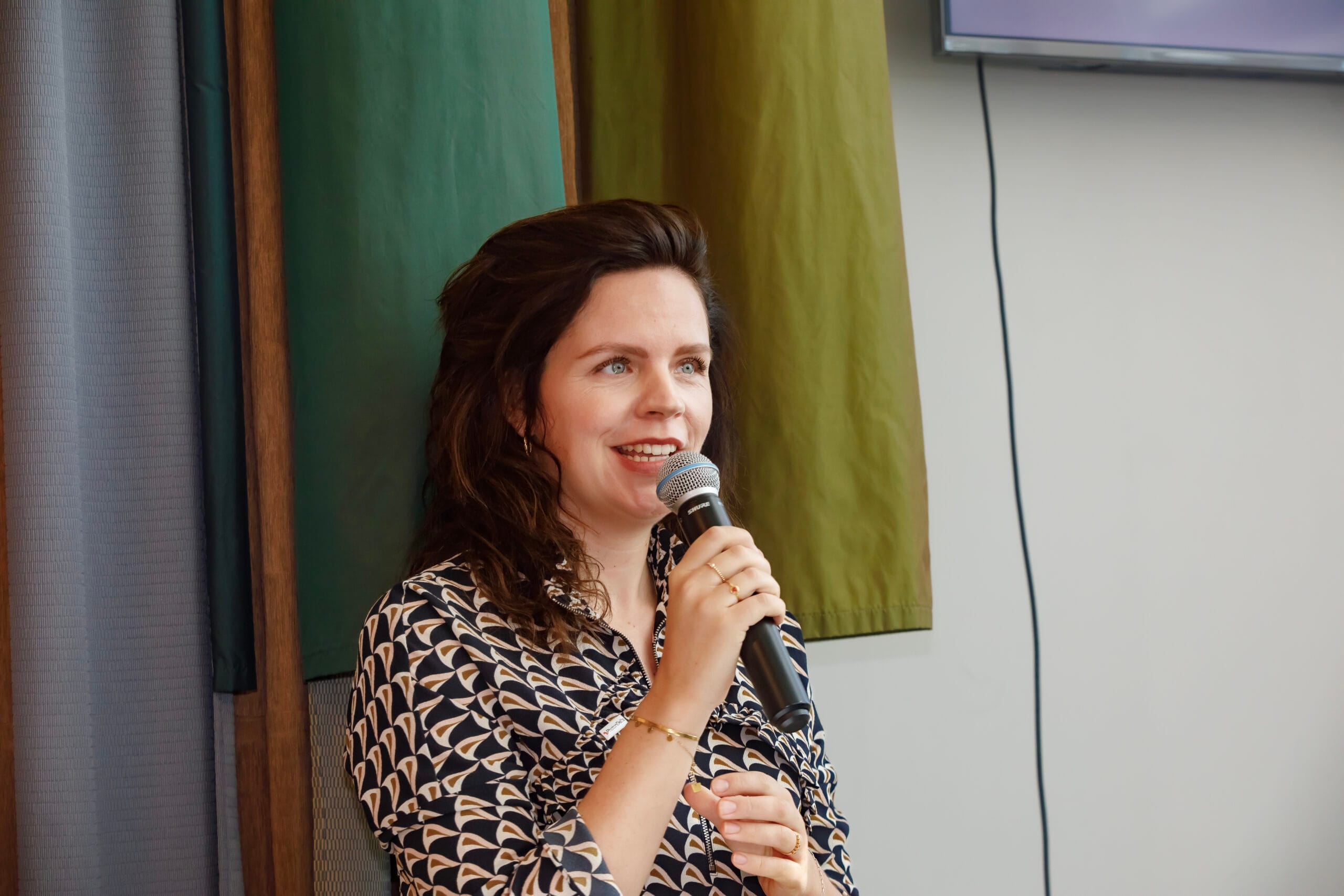
21 May 2026Why attracting talent isn’t enough and how building a connected community will enable the integrated photonics sector to recruit and retain the right people, according to Evi Somers, PhotonDelta’s Human Capital Programme Director.
Momentum is building across the integrated photonics sector, driven by demand in AI infrastructure, datacom, sensing, and a growing range of emerging applications. The foundations laid over the past decade across research, design, fabrication, and packaging are now translating into real capability.
But as the technology advances, a more fundamental constraint is emerging: talent. Not just how many people are available, but what happens after they arrive: whether they stay, how they move and where they go. Because building an industry isn’t just about developing capability; it’s about holding onto the people who are driving it, and giving them a reason to stay.
From building technology to building an industry
For a long time, the focus has been clear: build the foundations of integrated photonics. Significant effort has gone into turning world-class academic research into infrastructure, and ensuring the supply chain from design through to application manufacturing can support the next phase of growth.
But scaling the industry now requires something more. It requires people who can move beyond research and into product, manufacturing, and commercialisation. That means attracting a broader mix of skills and backgrounds, and making integrated photonics a place where people choose to build their careers, not just start them.
Talent moves. The ecosystem must hold it
Integrated photonics does not compete for talent in isolation. It sits alongside other deep-tech industries, most notably semiconductors, that are targeting the same profiles. These sectors are often more established, more visible, and offer clearer long-term career paths.
So, attracting talent into integrated photonics is not enough. Without a strong, connected industry around it, the sector risks losing people just as quickly as it brings them in. This isn’t just a question of shortage: it’s a question of retention and long-term relevance.
From recruitment to ecosystem enablement
Traditional talent strategies focus on individual organisations: attracting candidates, building employer brands, and filling roles. But people don’t just choose companies; they choose industries.
People want to know the ecosystem and each other: who the companies are, what they do, and where future career opportunities exist. Without this mutual familiarity and connectivity, talent may remain passionate about integrated photonics, but will look elsewhere when considering their next step.
If integrated photonics is to compete effectively, it must position itself as an industry where people can see a future: where opportunities are visible, pathways are clear, and movement between roles is possible without leaving the field.
This requires a shift in approach: from individual hiring to collective enablement; from isolated companies to a connected ecosystem; from jobs to careers.
Community as a recruitment engine
In practice, most career moves happen through networks. People move towards environments where they have connections, visibility, and a sense of belonging. For an emerging industry like integrated photonics, these networks are still being built, and that makes them a strategic priority.
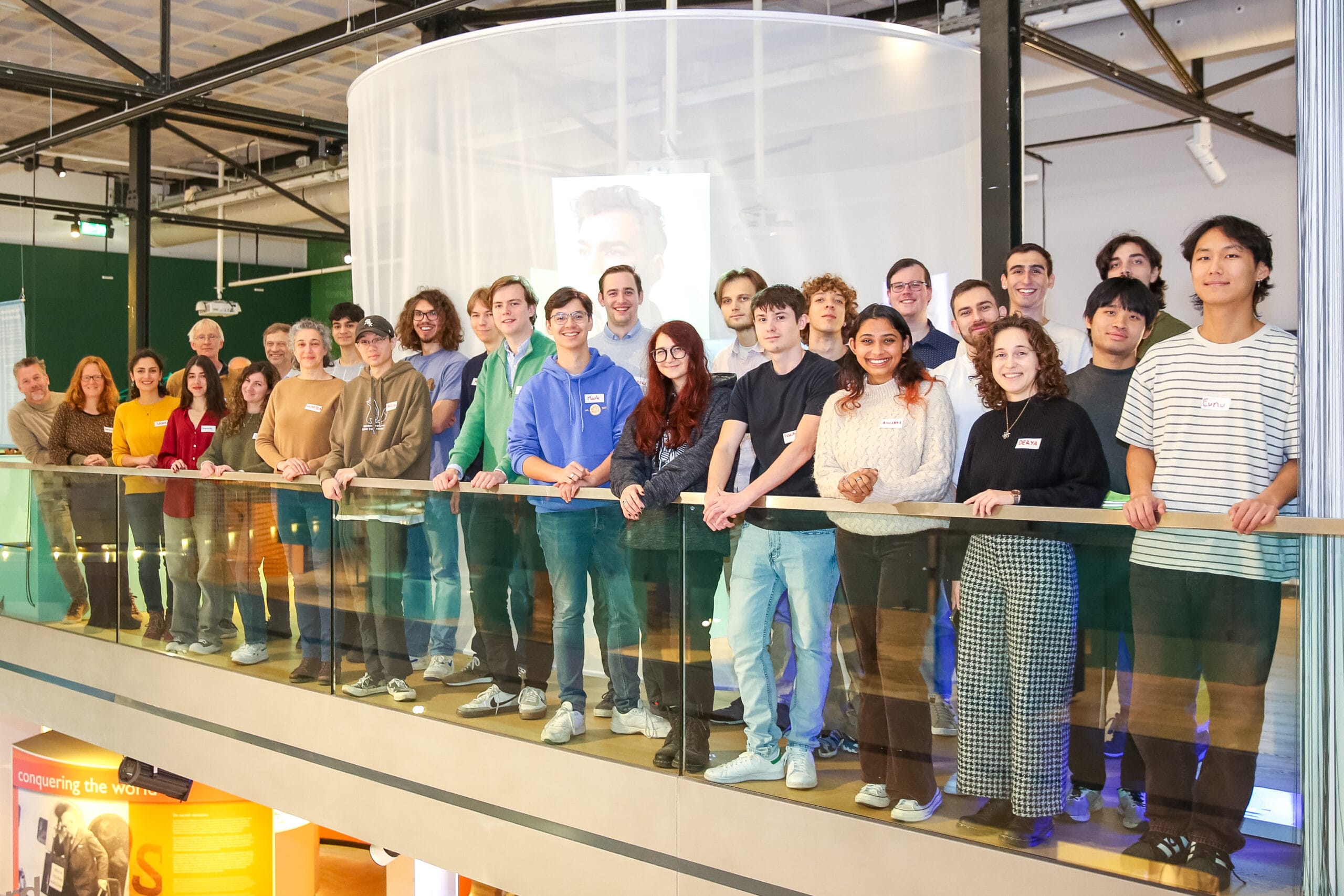
This is where community plays a critical role. By creating opportunities for professionals to connect – through ecosystem-wide events, local gatherings, and thematic communities – the ecosystem becomes more visible and more accessible. People begin to understand not just individual companies, but the broader landscape: where they might fit, and how they could move within it.
PIConnect, PhotonDelta’s annual ecosystem event, is a clear example of this in action. Bringing together professionals from across the photonic chip industry – from engineers and researchers to HR, marketing, and operations – it creates a shared space for connection, visibility, and exchange.
That’s why visibility matters. It helps individuals see the industry as an ecosystem, rather than a collection of isolated organisations. And it helps companies reach talent that may not have been accessible through traditional recruitment alone.
Broadening the talent base
As the industry moves towards industrialisation, the definition of talent must expand. Technical expertise remains critical, but it is no longer sufficient on its own. Companies need people who can scale organisations, translate complex technologies into market-ready propositions, and support long-term growth.
This includes roles in HR, marketing, finance, and operations: functions that must understand the specific dynamics of deep-tech environments. While there are lots of startups, integrated photonics is not a typical startup ecosystem. It sits at the intersection of research, manufacturing, and advanced technology. That’s why senior industry leaders, investors, and other stakeholders supporting the sector need to recognise that broadening the talent base is essential for long-term growth.
Empowering the ecosystem to recruit
Ultimately, PhotonDelta’s goal is to enable the ecosystem itself to attract and retain the right people. This means strengthening the industry’s visibility, building a connected and engaged community, and creating the conditions in which companies can access talent more effectively.
When the ecosystem is visible, connected, and active, recruitment becomes easier: not because there are more candidates, but because the right candidates are already engaged with the industry.
Building an industry people want to stay in
The integrated photonics industry has made significant progress in building its technical foundations. The next phase will depend on whether it can build something just as strong around people.
That means creating an environment where individuals can enter, grow, and move within the industry, without needing to leave it to progress their careers. Ultimately, success will not be defined by technology alone. It will be defined by whether the industry can build a community that people want to join and remain part of.
To Find Out More, Register Here: