Future Solutions
Integrated photonics is powering a new generation of solutions for some of today’s most critical technological challenges. By bridging research and application, these efforts turn innovation into deployable, scalable technologies. The result is meaningful impact across society and industry.
Future Solutions
Imaging
3D imaging technologies are essential for applications such as medical diagnostics, autonomous systems, and industrial inspection. Traditional approaches are often bulky, costly, and limited in speed or energy efficiency. Integrated photonics enables precise, fast, and energy-efficient 3D imaging in a much more compact and scalable form. This supports advanced sensors and scanners that meet growing demands for precision, sustainability, and large-scale deployment.
Optical Coherence Tomography (OCT)
The early detection of eye, cardiovascular, and neurodegenerative diseases remains a critical concern for the healthcare industry, especially given rising healthcare costs and an ageing population. Optical Coherence Tomography (OCT) is a standout diagnostic technology that uses a non-invasive imaging technique to capture detailed, three-dimensional cross-sectional images of biological tissues, body surfaces, and internal structures. OCT systems also provide superior resolution over comparable technologies. However, while the use of light waves is central to the use of current OCT systems, the hardware itself is too large and costly for widespread use in conventional healthcare settings.
Read moreAugmented Reality
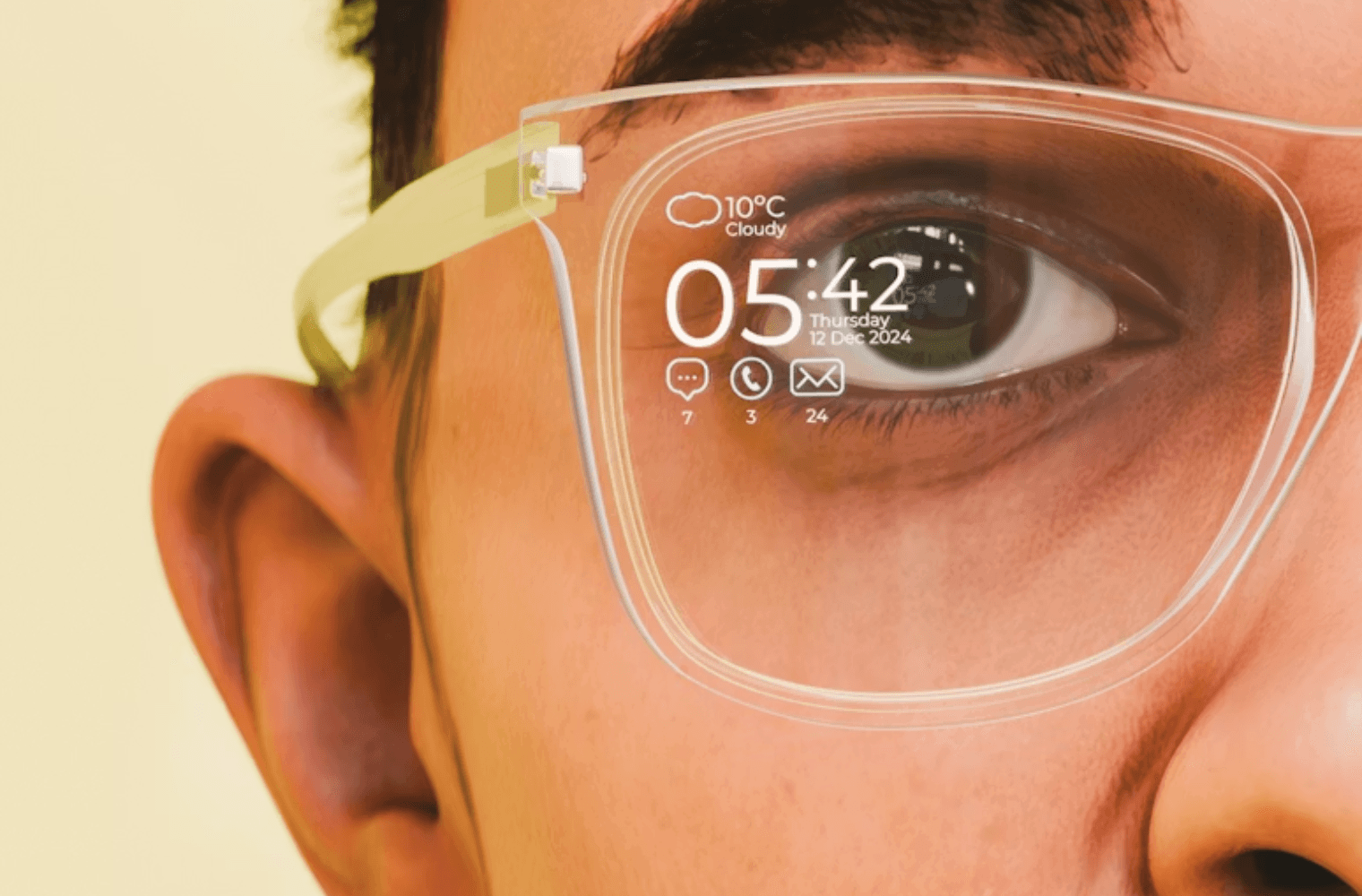
Imagine a world in which we no longer rely on power-hungry mobile phones and other screen devices to communicate and consume content day-to-day. Instead, we use AR glasses.
Augmented Reality (AR) is a technology that overlays digital content onto the real world in real-time. It enhances users’ perceptions and interactions with their environment by integrating virtual elements with physical surroundings.
While AR is expected to transform consumer electronics, healthcare, and industrial training, the light sources and hardware needed to optimise this technology are currently too bulky, unstable, and power-hungry for mass-market devices.
Read moreLiDAR
LiDAR was invented in the 1960s and has been used in everything from space missions to atmospheric and environmental mapping. However, expanding its range of applications requires scaling down and scaling up the necessary hardware, making LiDAR more accessible and affordable to help solve societal challenges.
Read more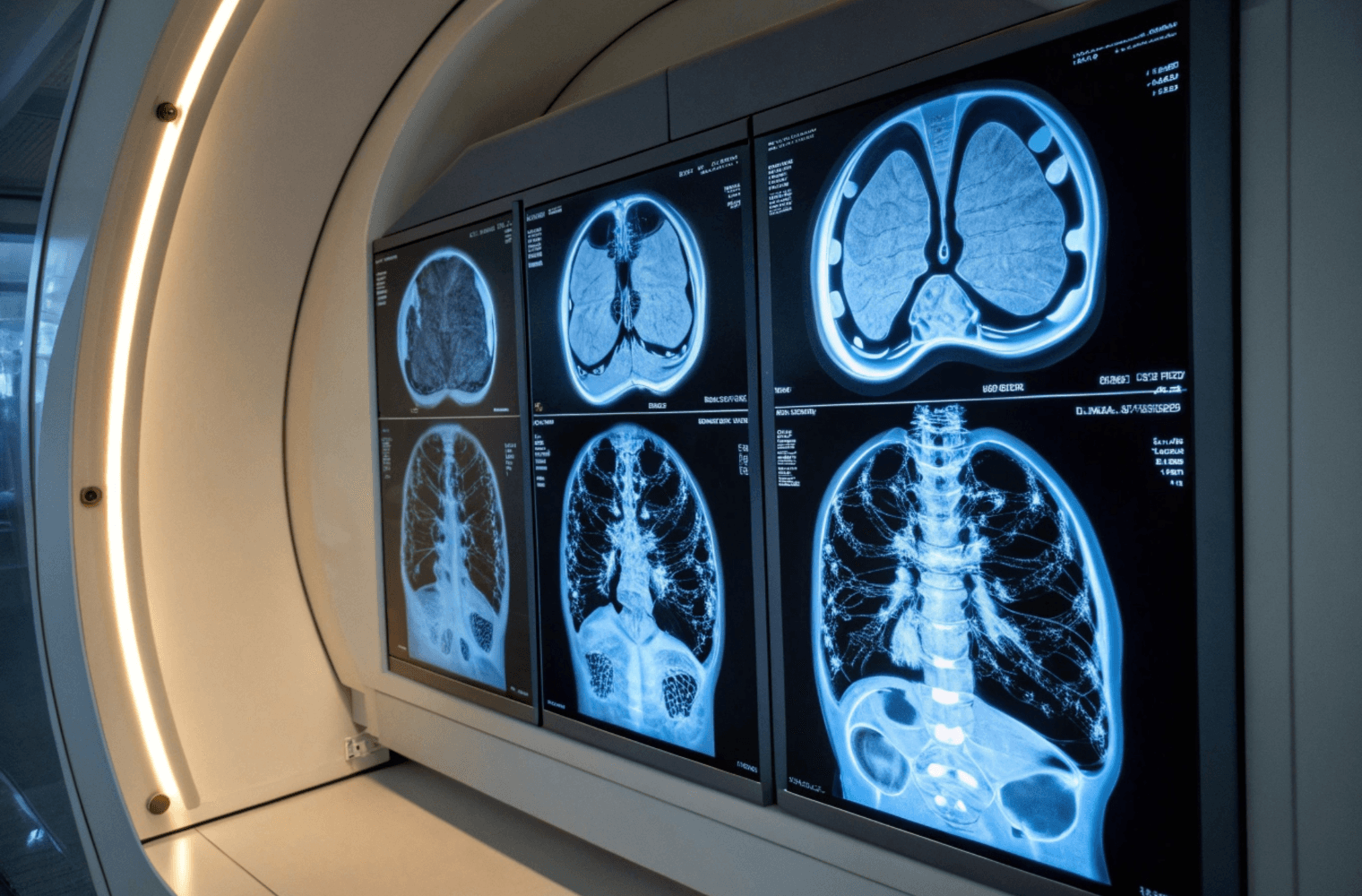


Sensing
Demand for accurate, reliable, and real-time sensing is rapidly increasing across healthcare, agro-food, mobility, and environmental monitoring. This growth is further driven by data-intensive AI applications. Integrated photonics enables highly sensitive, fast detection of physical, chemical, and biological parameters, supporting advanced sensing solutions across these sectors.
BioChip
The rising costs of healthcare and disease prevalence pose a major challenge to the availability, affordability and accessibility of high-quality care. Unserved disease markers, misdiagnosis and delayed detection remain a major challenge for health on both the individual and population level, as current lab-based diagnostics are still too slow, expensive and unfit for decentralised care.
Read moreSpectral Sensing
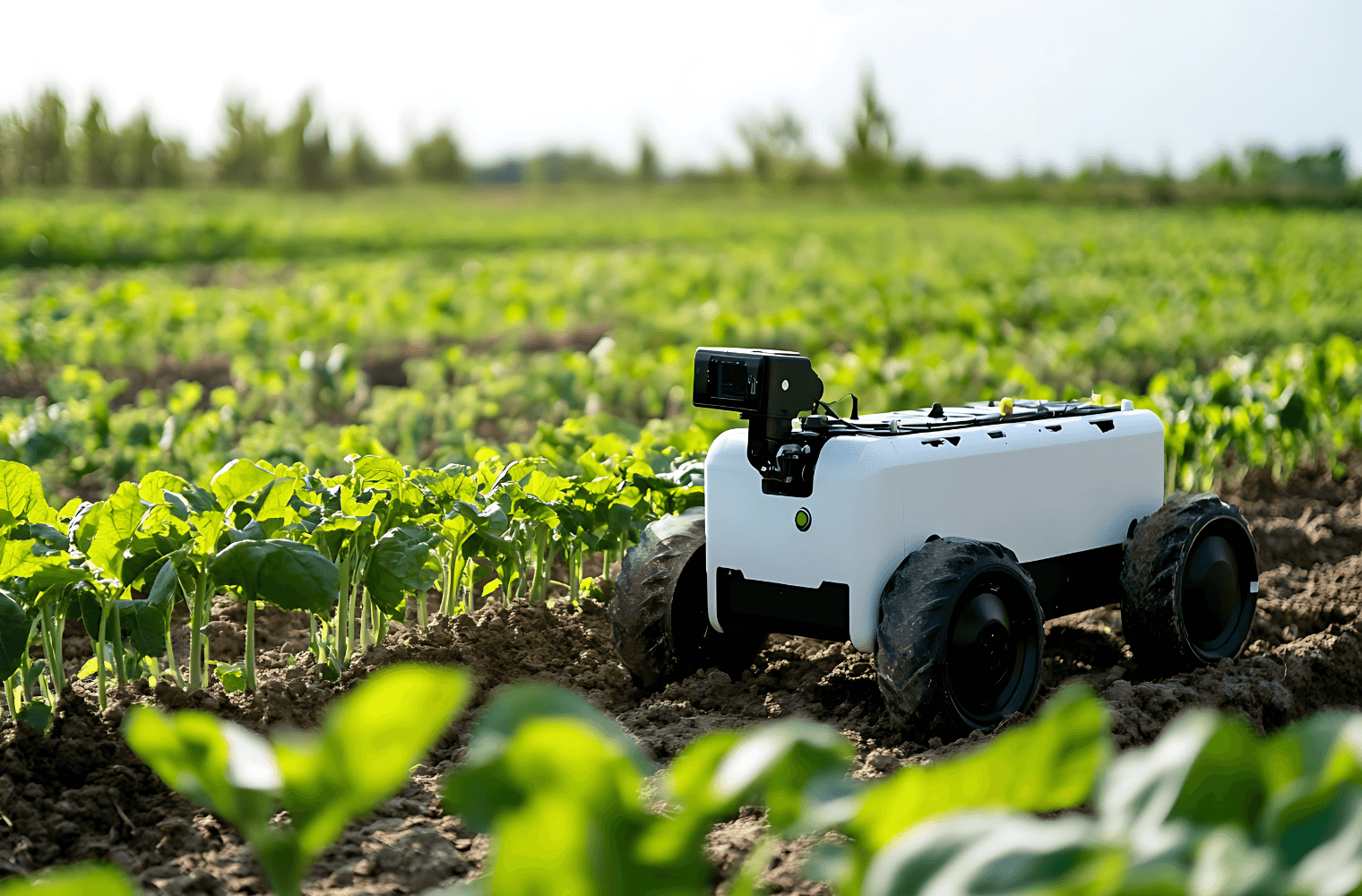
Quality checks in food, agriculture, and related materials still rely heavily on slow, costly, and off-line laboratory analysis. This limits real-time control in production processes and contributes to inefficiencies and unnecessary food waste.
Read moreTuneable Laser-Based Spectral Sensing
For addressing societal challenges such as the nitrogen crisis, labour shortage and high costs in health care, and labour shortage in agrifood, accurate detection of biochemicals including gases and biomarkers is essential. Yet today’s spectral sensing systems are often bulky, costly, not suitable for real-time feedback and difficult to scale, limiting their deployment outside specialised laboratory environments. In healthcare, sensors lack accuracy and robustness for complex biomarkers in the field of non-invasive monitoring.
Read moreFiber Bragg Grating (FBG)
Structural health management (SHM) of assets in defence and aerospace conventionally relies on costly ground inspections and fixed conservative maintenance schedules, leading to excessive downtime and high operational costs. There is a strong need for reliable on-board SHM monitoring solutions, able to withstand the harsh environmental conditions, to improve operational efficiency, safety and predictive maintenance.
Read more

Wireless
Demand for high-speed, low-latency wireless communication continues to grow, pushing traditional electronic systems to their limits. Integrated photonics enables faster, more reliable, and energy-efficient wireless connectivity using light. This is especially important for next-generation applications such as 6G and wireless scenarios where cabling is impractical.
6G
The sensing solutions enable digital twin technology, real-time monitoring and predictive maintenance of these assets, becoming increasingly efficient and transparent.
Read more
Communication and compute
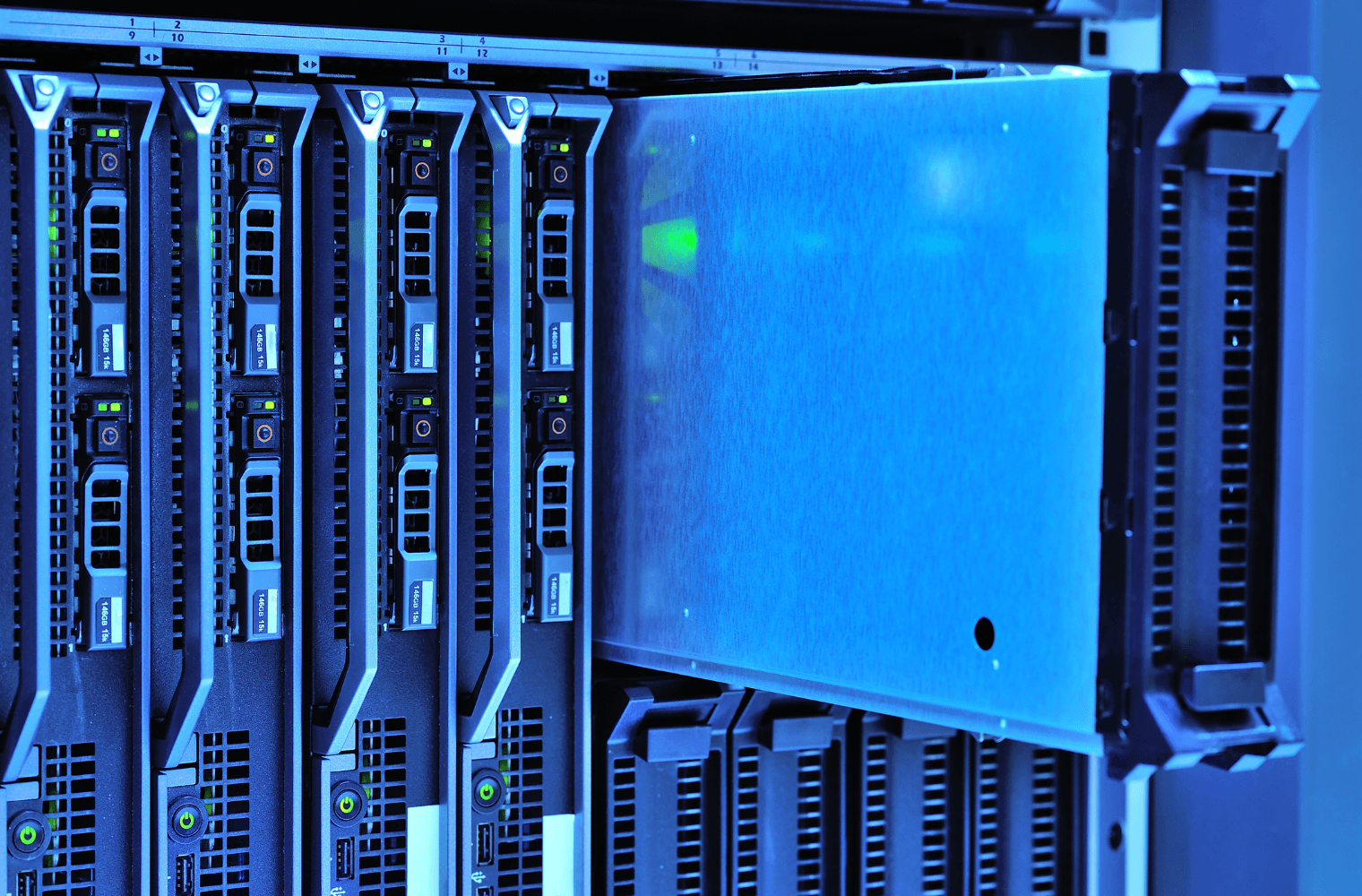
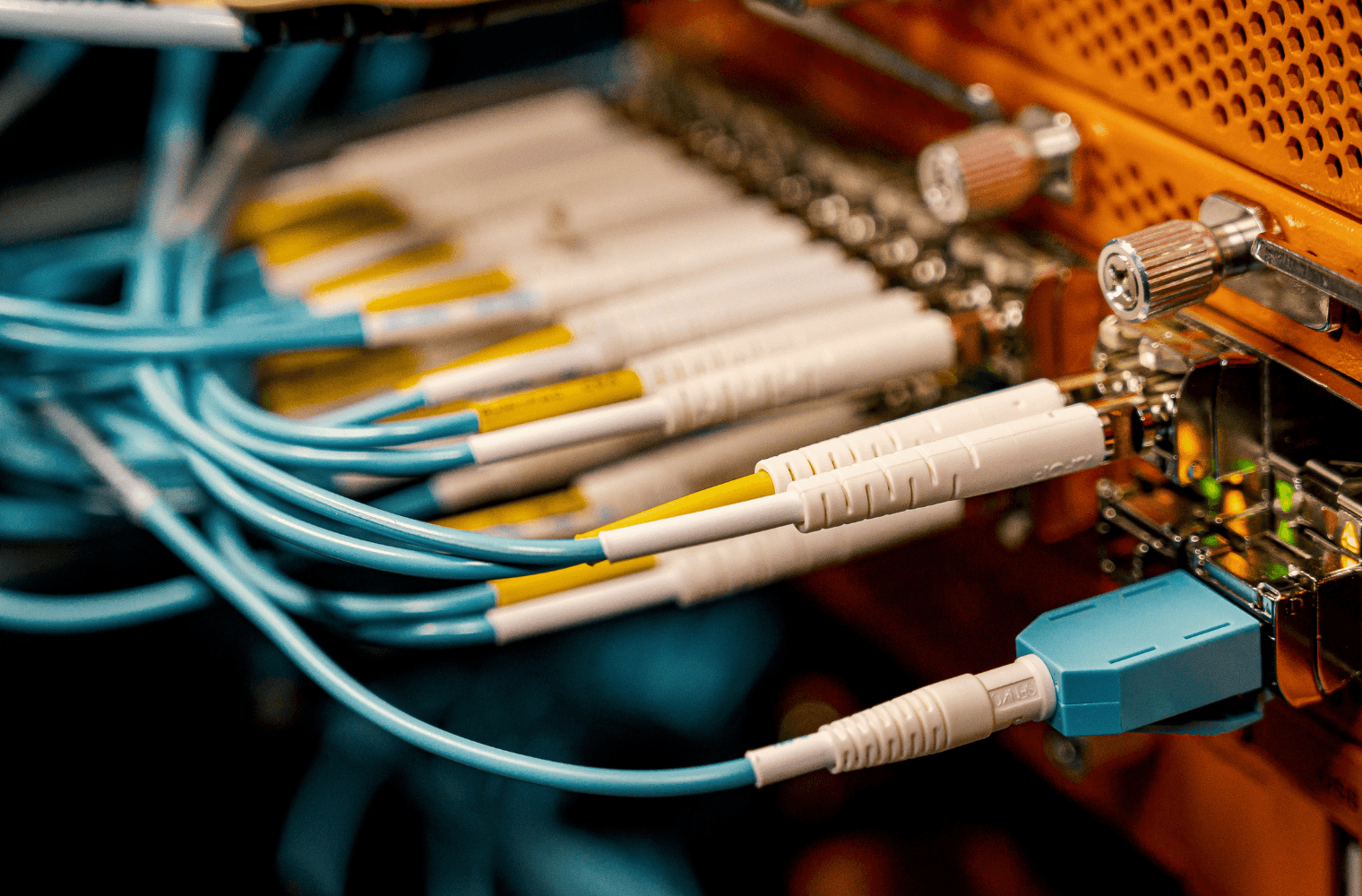
The rapid growth of data traffic and computing demand is pushing traditional electronic infrastructure to its limits. Photonic Integrated Circuits enable high-speed, energy-efficient data transmission and processing using light. These technologies are critical for data centres, high-performance computing, and AI-driven applications.
Transceivers
In today’s rapidly evolving digital landscape, the rise of General Artificial Intelligence (AI) is driving an unprecedented demand for high-bandwidth, low-latency links. The energy required to move data around is outgrowing that of compute, effectively limiting the growth of infrastructure that is required to develop next-generation AI models.
Read moreQuantum Lasers
AI clusters rely on lasers to move data between tens of thousands of GPUs. However, the InP (Indium Phosphide) lasers used in current optical modules are showing their limits. They need constant cooling, require costly isolators, and fail too often, causing downtime that interrupts AI training runs.
Read moreOptical Switching
As cloud services, streaming, and AI workloads continue to proliferate at an alarming speed, electronic switches are becoming problematic as they consume enormous amounts of energy and can introduce delays and bottlenecks.
Read moreQuantum Key Distribution
Today’s network challenge lies in ensuring security against eavesdropping. Tomorrow’s challenge arises from new computing paradigms such as artificial intelligence and quantum computing, which may be able to break the encryption protecting online banking, government communications, and other critical digital infrastructure, creating a major security risk.
Read moreQuantum Computing
Classical computing is reaching its limits. But quantum computing is on the brink of revolutionising a variety of industries and applications, from personalised medicine and faster drug discovery in healthcare, to route optimisation in logistics. However, most competing quantum platforms require cryogenics and face scaling barriers.
Read more